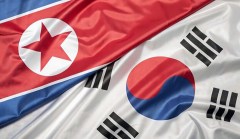

My full emailed remarks (slightly edited) to Nikkei Asia on whether the goal of North Korean denuclearization is dead:
“I had been a strong proponent of the 1994 Agreed Framework that froze the nascent North Korean nuclear program in exchange for proliferation-resistant light-water reactors and heavy fuel oil. After the Bush 43 administration threw the agreement out the window because the North Koreans were found cheating (they cheated because the U.S. was many months late in delivering each shipload of fuel oil), the U.S. lost the chance to build trust and to begin to normalize relations. Although the Six Party Talks made some progress in 2005, the first DPRK nuclear test was in 2006. Their trajectory has not changed since.
We perhaps came close to an interim agreement at the Hanoi summit in February 2019, but Trump wanted a quick, comprehensive deal, or none at all — so he chose none.
So, it’s about time that some Korean affairs experts are publicly acknowledging that the goal of denuclearization is now obsolete. The U.S. government will never admit that, but privately all its statements indicate it intends to at best manage the problem, and kick the can down the road. I have never believed that any problem can be “managed” long-term. You need a settlement between adversaries, and it needs to be just.
North Korea sees four imperialist powers in the world: China, Russia, Japan, and the U.S. But it regards the U.S. as the most benign of the four. Also, only the U.S. can balance the enormous pressure the North feels from China, especially with Xi about to assume a third term. The DPRK is less interested in lifting the sanctions regime (although it’s still important) than in being accepted as a sovereign nation that can guarantee its independence through modern nuclear weapons. Its goal is unimpaired sovereignty, and however grudgingly, the acceptance of its status by the U.S. and its allies including Japan and South Korea.
I believe the nuclear issue will not be solved until the Korean War formally comes to an end, replacing the Armistice with a peace treaty, diplomatic recognition by the U.S. and Japan of the DPRK, and treating the DPRK with commensurate respect.
My late colleague, Antonio Betancourt, who met Kim Il Sung five times, used to say you have to treat your adversary with the respect he may not deserve, otherwise you lose a negotiating partner and the prospects for peace. The U.S. has not treated North Korea with the respect it feels is commensurate with its status. Twenty years ago it could have enabled diplomatic friendship to supplant nuclear weapons for the North’s need for security, but that train left the station.
I propose that President Biden, in the second half of his term, launch a negotiating process, much like Camp David that was used between Israel and Egypt and later the PLO, to work out a peace settlement to end the Korean War and begin diplomatic recognition. At the apex of the negotiating process, Kim should be invited to a military base in Hawaii or Guam for final negotiations where, however reluctantly, Biden and Kim sign an agreement that formally ends the Korean War and create greater stability in Northeast Asia. China will publicly support such an agreement, even though it won’t be happy about the improved DPRK relations with the U.S.”♦
 Mark P. Barry's Blog